


Portfolio
Transform your home with the rich, iconic colours of Farrow & Ball. At Brook Farm Interiors, we offer an extensive selection of tin sizes and premium paint finishes, all available to purchase directly from our Cheshire store. Stop by today and let us help you choose the ideal paint for your project.

Wall & Ceiling Primer & Undercoat
Farrow & Ball Wall & Ceiling Primer & Undercoat is an easy-to-apply base for interior walls and ceilings. It's designed to minimise imperfections for a smooth and even finish, helping to enhance the appearance, adhesion, and longevity of your chosen wall colour. Follow with Farrow & Ball Estate Emulsion or Modern Emulsion for a rich depth of colour. Dilute on new plaster with up to 20% water.

Wood Primer & Undercoat
Farrow & Ball Wood Primer & Undercoat is for use on bare or previously painted interior and exterior wood, including floorboards and knots. It creates a smooth, protective base for our Eggshells, Full Gloss or Dead Flat. Available in four shades to complement your topcoat for a durable, colour-rich finish.

Metal Primer & Undercoat
Farrow & Ball Metal Primer & Undercoat is a long-lasting, rust-inhibiting coating suitable for use on most interior and exterior bare ferrous metal surfaces. It's designed to create a smooth base for Farrow & Ball Modern Eggshell, Exterior Eggshell, Estate Eggshell, Full Gloss, or Dead Flat.

Masonry & Plaster Stabilising Primer
Farrow & Ball Masonry & Plaster Stabilising Primer is a clear-drying primer designed to help prepare any areas of masonry, render, or plaster that are porous, chalky, or lightly worn. Follow with Farrow & Ball Exterior Masonry, Estate Emulsion, or Modern Emulsion to give an even and long-lasting finish.

All White
All White is a clean and simple bright white. As its name suggests, it contains no pigments of any other colour. It's softer than standard brilliant whites, which often appear cooler due to the inclusion of blue pigment.

Ammonite
Ammonite is a subtle light grey named after the fossils found along England's Jurassic Coast. It's neither warm nor cool, making it superbly easy to use in any room of the home.

Arsenic
Arsenic is a vivid mint green that instantly enlivens any surface, whether it be furniture, front door, or feature wall. Try it in a 1960s-inspired palette with Nancy's Blushes and All White.

Babouche
Babouche takes its name from the flat leather slippers that originated in Morocco, often seen in the same cheerful shade of yellow. For a modern twist, pair bright Babouche walls with the blue-black shade Railings on furniture or woodwork.

Ball Green
The dignified Ball Green is a tribute to Farrow & Ball co-founder Richard Ball. This silvery green shade was a common colour of distemper, an early type of decorative paint, and it looks just as beautiful in homes today, especially in a candlelit dining room.

Bamboozle
Before becoming the name of this fiery red, the word 'bamboozle' was originally used to describe the deceit of pirates. It's a little less spicy than Harissa, a little more sophisticated than Charlotte's Locks and brings joy and warmth to any room.

Bancha
Bancha is a rich, dark olive green. It gets its colour and its name from Japanese tea leaves harvested late in the season, a strong and earthy shade that feels calming when combined with soft pinks and shades of brown.

Beverly
Beverly is named in honour of a much-missed Farrow & Ball staff member. Like its namesake, this green is dependable and reassuring. It's bound to be a favourite among lovers of colour. With a remarkable ability to feel even greener in bright daylight or more conservative in lower light, it can work beautifully in any home.

Blackened
Blackened is the Farrow & Ball white with the coolest undertones. Its hint of grey would have traditionally come from 'lamp black' pigment made from residual soot from burning oil lamps ? hence the name. It creates a minimal, contemporary feel, and can look especially at home in an industrial-style scheme.

Blue Gray
Blue Gray isn't quite as simple as its name suggests, appearing more blue, grey, or even green depending on the light. A small amount of black pigment gives it a relaxed, almost weathered feel. Try it as a less intense version of French Gray.

Blue Ground
Perfect for children's rooms and playrooms, Blue Ground is a thoroughly cheerful colour ? a true blue that never appears cold. It was originally used as a ground colour to Farrow & Ball wallpapers before becoming a paint colour in its own right.

Bone
Bone is a soft grey paint with a hint of green, making it an excellent partner for other green-based neutrals in the Farrow & Ball palette, such as Lime White or Old White. As a woodwork shade, it sits well with strong, traditional wall colours.

Borrowed Light
Borrowed Light is a soft pale blue that looks equally at home in brightly lit and low-lit rooms. It's a classic wall colour for children's bedrooms, and can be given a modern twist by pairing it with Stiffkey Blue furniture or trim.

Brassica
Brassica is a sophisticated lavender shade with grey undertones, which really come to the fore in darker rooms. It's inspired by the distinctive florets of purple sprouting broccoli, from the Brassica family of plants.

Breakfast Room Green
Breakfast Room Green is a cheerful mid-toned green that stays looking lively in all different lights. It's particularly striking in the early morning, when the users of east facing 'Breakfast Rooms' would traditionally have seen it.

Brinjal
Brinjal is a rich, deep purple inspired by the glossy skin of an aubergine. It looks striking on woodwork in Farrow & Ball's Full Gloss finish, or as a sophisticated feature wall colour alongside pale grey Skimming Stone.

Cabbage White
Cabbage White takes its name from the cabbage white butterfly, whose delicate wings inspired this equally delicate paint colour. White with just a hint of blue, Cabbage White is a fresh, pale shade that's perfect for taking across both the walls and ceiling in a bedroom.

Calamine
Calamine is a colour that many of us will recognise from childhood, the signature pale pink of a lotion used to soothe stings and rashes. A hint of grey helps to keep this light pink feeling fresh rather than sugary sweet.

Calke Green
Calke Green is named after Calke Abbey, the country house in Derbyshire where an aged version of this rich green colour was originally found. As a wall colour, it works particularly well with Old White on ceilings and woodwork.

Calluna
Calluna is a genus of plant that solely includes heather, whose dainty flowers inspired this delicate Farrow & Ball colour. It's a pale purple with a touch of black pigment, which makes for a soft and sophisticated shade that leans more towards lilac than pink.

Card Room Green
Card Room Green is a dark, muted and sophisticated green with a generous amount of grey. It can be used on both walls and woodwork to create a contemporary look, while contrasting it with Off-White woodwork creates an authentic Victorian feel suited to Card Room Green's 19th-century origins.

Charleston Gray
Charleston, the country home that once provided a meeting place for the artists and intellectuals of the Bloomsbury Group, was the inspiration for this warm grey.

Charlotte's Locks
Inspired by the auburn hair of Farrow & Ball's head of creative, Charlotte's Locks is a deep, vibrant orange that looks fantastic in small spaces. Try it with All White or Black Blue for a sharp, stylish contrast.

Cinder Rose
Cinder Rose is a dusky, mid-toned pink. With only a very small amount of yellow pigment, which is found in greater quantities in most pinks, it has a cooler and more relaxed feel. For a soft look, try it on walls with Great White woodwork.

Citron
Citron is a warm lemon yellow that brings a summery Mediterranean feel to any room, particularly those on the smaller side. For an effortless pairing, try Citron walls with woodwork painted in the yellow-based House White.

Cook's Blue
Cook's Blue is a bright, richly pigmented blue taken from Calke Abbey in Derbyshire, where it was found inside a cook's closet. Said to deter flies, this vibrant colour is perfect for kitchens and outdoor dining areas.

Cooking Apple Green
Cooking Apple Green is a classic Farrow & Ball shade with a comforting traditional feel, especially when combined with All White woodwork. It's a versatile shade that feels fresh in brightly lit rooms and richer in low-lit spaces.

Cord
Cord is a strong, yellow based neutral. It makes the perfect partner for Farrow & Ball classic String, having been created as its stronger accent. As a kitchen cabinet colour, it also works brilliantly with the slightly lighter Matchstick on walls.

Cornforth White
Cornforth White is a light grey that leans neither warm nor cool. Between Ammonite and Purbeck Stone, it forms the mid tone in the Farrow & Ball Easy Neutrals group. Try it as a wall colour with the lighter Ammonite on the ceiling and trim for a put-together all-grey look.

Cromarty
Cromarty is a very light green with a noticable grey undertone. Almost neutral in its softness, it makes a relaxed yet atmospheric addition to any room, especially when paired with the darker Blue Gray or Pigeon on woodwork.

Dayroom Yellow
Dayroom Yellow is a refreshing pale yellow inspired by a Regency palette. It's best used in rooms that receive a lot of sun like the dayrooms from which it takes its name where its cheerful yellow shade will amplify the available light even more.

De Nimes
Although popular in Regency-era colour palettes, the grey-blue shade of Farrow & Ball's De Nimes has its origins in something a little more modern: denim workwear. Like a favourite pair of jeans, it feels low-key but always stylish.

Dead Salmon
Dead Salmon is a deep salmon pink, and one of Farrow & Ball's most complex shades. It's discernibly rosy in some lights, while its brown and warm grey tones come out more strongly in others. It's a flattering backdrop for any space, but looks particularly beautiful in candlelight, great for a dining room.

Dimity
Dimity is a pale taupe with a subtle red base, named after a sheer cotton fabric popular in dressmaking. It has a great amount of warmth and depth, making for instantly welcoming hallways and living rooms. When paired with Pointing, it seems to take on a pinkier tone, while combining it with darker Oxford Stone creates a more aged look.

Dimpse
Dimpse is a West Country dialect word that describes the colour of twilight skies. It sits between Pavilion Gray and Blackened in the Farrow & Ball Architectural Neutrals group, and has a subtle undertone of blue pigment that enables it to work particularly well in contemporary spaces.

Dix Blue
Dix Blue is a vintage-inspired blue paint colour with generous doses of green and black pigment, which give it a complex, slightly aged appearance. It takes its name from one of the first Farrow & Ball stockists, based in the east of England.

Dorset Cream
Dorset Cream is a traditional shade the exact colour of rich double cream, which is commonly made around Farrow & Ball's home in the south-west of England. It's a darker yellow than Farrow's Cream, best used with other yellow-based neutrals such as New White.

Dove Tale
Dove Tale is a warm mid-tone grey, perfect as a darker accent or alternative to Elephant's Breath. Its subtle lilac undertone gives it a soft and restful feel that suits bedrooms beautifully, especially when paired with Skimming Stone.

Down Pipe
Down Pipe is a true Farrow & Ball classic. A deep lead grey with a blue undertone, it creates a strong but complex finish on all sorts of surfaces, whether as a backdrop to your favourite gallery wall, a skirting board colour that ties every room together, or even a dramatic shade for floorboards.
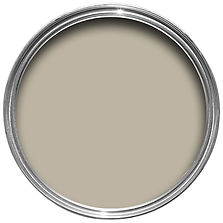
Drop Cloth
Drop Cloth is a mid grey beige ? or 'greige' that pays homage to our expert painters and decorators. It takes its name from the indispensable dust sheet, and is just as useful, creating the perfect neutral base for lighter tones like Shaded White and Shadow White.

Eating Room Red
Eating Room Red is a deep, blackened burgundy shade that takes its name from the dining rooms of the mid-19th century, where damask wallpapers of this exact colour were a popular feature.

Eddy
The name 'Eddy' comes from the circular currents enjoyed by wild swimmers as a natural jacuzzi. Delicate without being pastel, it's a gentle green with a fresh feel that brings the outdoors in. It works particularly well in garden rooms and relaxing spaces.

Elephant's Breath
Elephant's Breath is instantly recognisable as a Farrow & Ball shade, both in name and colour. It's a universally popular mid-tone grey with a subtle lilac undertone, which comes more to the fore in cooler light. Try it in a scheme alongside the darker Charleston Gray and London Clay for an effortlessly cool look.

Farrow's Cream
The first cream to feature in the Farrow & Ball palette is aptly named after the brand's co-founder, John Farrow. A classic wall colour, with no complexity-adding black pigment, Farrow's Cream creates pretty and traditional-feeling rooms. It looks particularly at home in a country kitchen.

French Gray
French Gray, despite its name, leans heavily towards green. A beautifully subtle and indeterminate shade, it takes its inspiration from colours popular in French decoration in the 19th century, and creates very relaxed-feeling rooms. Its green undertone makes it a sympathetic colour for exterior woodwork, especially front doors.

Great White
Great White is a white with just a hint of pink. Its subtlety makes it a wonderful wall colour for children's rooms, offering the delicate sweetness of a pale lilac-pink with the versatility and sophistication of a neutral. Its undertone also makes it a natural partner for stronger pinks such as Rangwali.

Green Blue
No colour has provoked more debate among Farrow & Ball's followers than Green Blue. It appears differently to everyone and changes colour with the light, adding intrigue to any room ? but all are sure to agree on its soft, aquatic tones, which are particularly perfect for a relaxing bathroom.

Green Ground
Green Ground is a lighter version of Farrow & Ball favourite Cooking Apple Green. Originally a wallpaper background or "ground" colour (hence the name) it's now a popular paint colour in its own right. Its lightness and freshness give it a calming feel that's perfect for bedrooms, bathrooms, and cosy family kitchens.

Green Smoke
Green Smoke is one of Farrow & Ball's most versatile greens, working just as well on kitchen cabinets and panelling as it does on walls. It's a deep and smoky shade with a generous dose of blue pigment, inspired by the interiors of the late 19th century.

Hague Blue
Hague Blue is a fantastically popular Farrow & Ball blue, a deep and inky favourite for walls, woodwork, and front doors alike. Try it as a darker accent to Borrowed Light, or all over for rooms that make a real statement.

Hardwick White
Hardwick White is one of the deepest and most grey-toned of the Farrow & Ball whites. Used as a wall colour, it's a sophisticated chalky hue that appears much more grey than white. Contrasted with a strong shade such as Off-Black, meanwhile, it appears much brighter.

Hay
Hay is a warm and dusty yellow with a distinct green undertone, evoking the freshness of the crop from which it takes its name. It's less intensely coloured than the sunny Yellow Ground, and therefore easier to use for those who love yellow but are nervous of strong wall colours.

Hopper Head
Hopper Head takes its name from the decorative iron containers used to catch rainwater. A classic charcoal that sits between Railings and Down Pipe, it creates inviting spaces to withdraw to. It pairs beautifully with nearly every other Farrow & Ball shade or adds a touch of drama when used exclusively across the walls, ceiling and woodwork of a room.

Incarnadine
Incarnadine is a rich crimson colour. Unashamedly glamorous, especially when used in Farrow & Ball Full Gloss, it can be used in a strong palette with Tanner's Brown woodwork or with a bright white, which will create a fresher feel.

Inchyra Blue
Inchyra Blue was once a custom Farrow & Ball paint colour, created specially for Inchyra House in Perthshire. Its deep blue-grey tone takes its inspiration from wild and stormy Scottish skies, and is just as changeable as the weather in certain lights, it can take on a more blue, grey, or even green cast

India Yellow
India Yellow has an unusual source of inspiration, taking its name from a pigment traditionally collected from the urine of cows fed on mango leaves. It's a very modern yellow, thanks to its deep earthy tones, and looks just as good used in moderation as it does all over a smaller room to create a cosy escape.

James White
James White was originally created for a Dr James, a discerning man whose garden room was in need of a lightly green-based white. The finished result is subtle and soothing, and looks particularly good in rooms that receive little natural light.

Jitney
Jitney takes its name from the Hampton Jitney, the bus that whisks New Yorkers away from the stifling city and towards the sea air of the Hamptons during the summer months. This beachy destination inspired the colour of Jitney a relaxed and effortlessly cool sandy brown.

Joa's White
Joa's White is named after Farrow & Ball's Colour Curator, Joa Studholme. A light taupe with just the slightest amount of black, this versatile shade from the Red Based Neutrals group looks particularly fitting alongside natural materials like leather, linen and stone.

Kittiwake
Kittiwake is a clean, cool blue inspired by the wings of seabirds. It sits between two famous Farrow & Ball blues, Parma Grey and Lulworth Blue, but has a warmer, more relaxed feel. It works especially well with stainless steel and industrial accents, making it a winning choice for contemporary kitchens.

Lamp Room Gray
Lamp Room Gray is a traditional blue-grey colour that creates timeless-feeling schemes. It's slightly softer than Pavilion Gray but still has a surprising amount of strength to it when used in smaller spaces.

Lichen
Lichen is a muted shade of green that effortlessly evokes the subtle beauty of the natural world. It has a slight hint of blue to it, and works well in a scheme alongside the lighter Vert De Terre.

Light Blue
Light Blue is a long-standing Farrow & Ball favourite, having originally featured in the brand's first collection of colours. Its enduring popularity is largely thanks to its changeable nature, with its delicate silvery tones becoming more prominent in areas of low light.

Light Gray
The name 'Light Gray' was first used to describe colours in the 9th century, making this one of the most ancient inspirations for a Farrow & Ball colour. It has a slight green undertone that means it works particularly well with the Farrow & Ball Traditional Neutrals Group.

Lime White
Lime White is an off-white shade inspired by traditional 'distemper' paints, whose recipes included ingredients derived from limestone. It features a very small amount of green pigment, which gives it an effortless softness.

London Clay
London Clay is a warm, deep brown with a generous amount of magenta pigment. The result is a rich and earthy colour with an understated elegance, and the ideal darker accent to London Stone, Elephant's Breath, and Charleston Gray.

London Stone
London Stone is a lighter accent to London Clay, which shares its unusual magenta undertone. Try it with Red Based Neutrals like Dimity or Oxford Stone for a thoroughly modern-feeling scheme that's just as easy to use as a grey palette, but with a warmer feel.

Lulworth Blue
Lulworth Blue is a colour typically found in Regency palettes, but with a nod to the ancient landscape around Farrow & Ball's home, the Jurassic Coast in southern England. Bright yet peaceful, it's a wonderful option for a light and breezy bedroom.

Manor House Gray
Manor House Gray is a cool, clean, mid-toned grey. It's the darkest tone in the Farrow & Ball Architectural Neutrals group, and therefore works brilliantly in a contemporary scheme as a deeper accent to Dimpse or Blackened. For a luxurious scheme of dramatic darker tones, try it as the lighter shade alongside blue-black Railings.

Matchstick
Matchstick is a simple tone with a simple source of inspiration ? the humble kitchen match. The colour of unbleached wood, it's warm but not overly creamy, creating a fresh feel in rooms that receive a lot of natural light. Try it in a scheme with lighter yellow-based neutrals New White and White Tie.

Middleton Pink
Middleton Pink is a light and delicate shade of pink named after colourist Catherine Middleton. It has a fresh feel when paired with All White, but creates a more unexpected scheme when combined with Great White.

Mizzle
Mizzle is a West Country dialect word for a mix of mist and drizzle. This evocative tone is a light and misty green-grey tone, without any coolness from blue undertones. Try it with the stronger Pigeon on trim for a cohesive look.

Mole's Breath
Mole's Breath is a strong grey that makes a very versatile accent for other Farrow & Ball greys, whether an Easy Neutral like Wevet or a Contemporary Neutral like Strong White. Used on walls in a smaller room, it feels daring yet comforting. Or, try it on a kitchen island to make a statement against lighter grey cabinets. Recommended Primer & Undercoat: Dark TonesComplementary white: Ammonite

Mouse's Back
Mouse's Back is a soft, quiet grey-brown inspired by the colour of the beloved British fieldmouse. It has a little green to it, which is especially prominent in rooms without much natural light, and works beautifully alongside other green-toned neutrals such as Lime White.

Nancy's Blushes
Nancy's Blushes takes its inspiration from a rosy-cheeked little girl named Nancy. Cheerful and uplifting, it nevertheless feels sophisticated when used alongside a soft neutral in a low-lit room. For a more impactful look, try it with the graphic St Giles Blue.

New White
With a less aged feel than more traditional Farrow & Ball neutrals, such as Lime White, New White creates fresh and warm interiors. It works wonders alongside its fellow Yellow Based Neutrals, Matchstick and String, especially in a country kitchen.

Off-Black
Off-Black is quite simply what it says: a softer alternative to a true, pitch black for front doors, woodwork, and for the daring, the walls of any small space crying out for a bit of character.
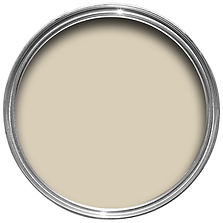
Off-White
Off-White first appeared in the original palette of Farrow & Ball colours, making it a true classic. It still earns its keep in the palette today as part of the Traditional Neutrals group, alongside Old White, Slipper Satin and Lime White, which share its alluring green undertone.

Old White
Old White, quite simply, is the most historic of Farrow & Ball whites. It's part of the Traditional Neutrals group; Lime White, Off-White, Old White and Slipper Satin, the shades of which all share a subtle green undertone. This tone is particularly prominent in north-facing rooms, but is downplayed in well-lit spaces, making Old White appear as more of a grey.

Oval Room Blue
Oval Room Blue is the most "blackened" of Farrow & Ball blues, containing a generous amount of the black pigment that gives many Farrow & Ball colours their earthy, lived-in feel. It sits beautifully in a scheme alongside greys, creating rooms of depth and balance.

Oxford Stone
Oxford Stone is a deeper shade of taupe belonging to the Farrow & Ball Red Based Neutrals. The darkest in the group, it sits contentedly alongside the lighter Dimity and Joa's White for an all-neutral look with a tangible warmth.

Paean Black
Paean Black is a red-based shade of black, making it the perfect woodwork colour or accent for lighter shades of red. It brings an elegant feel to interior and exterior features alike.

Pale Powder
Pale Powder is a pale aqua colour, developed as a lighter version of Farrow & Ball Archive colour Powder Blue. With its underlying hint of green pigment, it never feels cold, despite having the tendency to appear almost grey in north-facing rooms.

Parma Gray
Parma Gray is in fact a cool blue with a distinct period feel. Paired with a bright white on woodwork, it can feel very traditional. With darker accents of navy Stiffkey Blue, however, it takes on a more contemporary look.

Pavilion Gray
Pavilion Gray is a mid-grey tone with subtle blue undertones. It feels particularly at home in contemporary spaces, where it creates a feeling of airiness and spaciousness. Try it with any combination of Manor House Gray, Dimpse or Blackened for a simple scheme.

Peignoir
Peignoir is a soft pink with a generous dose of grey, making it a sophisticated option for any room of the home. Due to its grey undertones, it works particularly well in a scheme alongside the Farrow & Ball Contemporary Neutrals.

Pelt
Pelt is a rich, deep purple paint colour that brings a luxurious feel to any space. Unlike the warmer and more aubergine-coloured Brinjal, it has a great deal of blue in it, and can appear as something closer to black in spaces that receive little light. Try it in Full Gloss for an impactful and glamorous front door colour.

Picture Gallery Red
The space from which this rich red takes its name is the impressive gallery at Attingham Park, a country house estate in the English county of Shropshire. Picture Gallery Red has a great deal of brown pigment to it, creating a depth and warmth that serves as the perfect backdrop to your favourite artworks.

Pigeon
Pigeon is a deep yet soft blue-grey shade inspired by, what else?, the head and neck plumage of the humble pigeon. It's the ideal alternative to a truer grey such as Mole's Breath in spaces where a little more softness or warmth is needed, and it looks fantastic paired with pale grey Dimpse.

Pink Ground
Like Yellow Ground and Blue Ground, this soft and dusty pink was originally used as a background colour for Farrow & Ball wallpapers, until by popular demand it became a paint colour in its own right. It is light and delicate yet loaded with warmth thanks to a generous amount of yellow pigment. R

Pitch Black
Pitch Black is exactly what its name suggests, a pure, strong, uncomplicated shade of black. A classic and versatile favourite for metalwork and woodwork, it also makes a brilliant statement wall shade for a small space, particularly in Farrow & Ball Estate Emulsion, which gives it an almost velvety look.

Plummett
Plummett is a deep, true grey that creates a modern architectural feel when used on woodwork. It works brilliantly as an addition to an industrial-style scheme, where its strong tones can really hold their own.

Pointing
Pointing is a pale yet warm white from the Farrow & Ball Red Based Neutrals group, named after the mortar used in traditional brickwork. It makes a sympathetic addition to any scheme that uses strong, traditional colours, where a bright white might feel too high-contrast.

Preference Red
Preference Red is a traditional-feeling deep red with a nod to Farrow & Ball's past as a purveyor of 'Preference Paints'. For a more classic feel, try it with any of the Farrow & Ball Red Based Neutrals such as Dimity or Pointing or go bold by pairing it with Paean Black.

Purbeck Stone
Purbeck Stone takes its name and colour from the Isle of Purbeck, near Farrow & Ball's home on the south coast of England. Part of the Easy Neutrals group, it's not too warm and not too cool, making it incredibly easy to pair with many shades from the Farrow & Ball palette, but particularly with Cornforth White, Wevet or Ammonite.

Railings
Railings is a blue-based shade of black, appearing more blue or more discernibly black depending on the light. It's a great favourite for kitchen cabinets, to which it brings a very modern feel, as well as for walls in smaller rooms whose owners are looking for a bold and sophisticated statement shade.